Tottenham 0‑3 Nottingham Forest: The Day the Tudor Era Collapsed
Match Summary
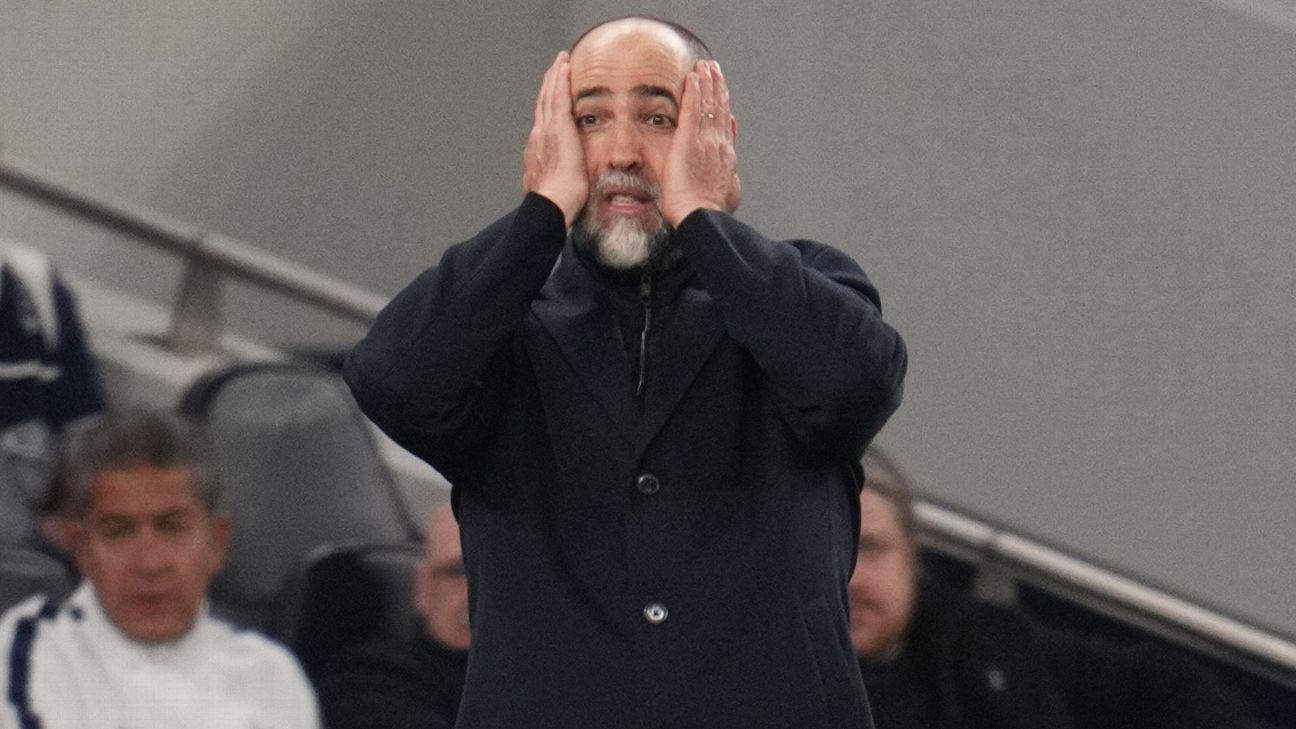
ESPN’s deep dive on Igor Tudor’s short, chaotic Tottenham stint makes one match feel like the moment the air left the room: the 3‑0 home defeat to Nottingham Forest. Spurs whipped up the atmosphere, promoted pre‑match hype, and told fans to line the streets — then delivered a performance that emptied the energy in real time. The loss wasn’t just a bad night; it was the punctuation mark at the end of a disastrous six‑week experiment. Tudor arrived to steady a wobbling ship. Instead, the ship kept spinning and Forest landed the blow that ended the story.
The wider context is brutal. Spurs were already winless in the league for months, already hovering one point above the drop, and already carrying a squad battered by injuries and confidence issues. There was a brief flicker — the draw at Liverpool and the gutsy win over Atlético Madrid — but it never translated into domestic momentum. Forest took advantage of the nerves, struck before half‑time, and watched Spurs shrink when the pressure spiked. That’s what relegation pressure does: it turns home games into stress tests.
Tactical Breakdown
Tudor’s approach was meant to be intense, proactive, and physically demanding. ESPN notes he pushed harder training sessions and asked for more aggression. The problem wasn’t just fitness — it was clarity. Spurs were flipping between systems, switching from back threes to back fours, and moving players into unfamiliar roles. When you’re fighting the drop, constant tactical change looks less like cleverness and more like confusion. Forest didn’t need to be perfect. They just needed to be organised, and Spurs did the rest.
The 3‑0 scoreline reflects a team that lost its calm. Spurs started brightly, couldn’t break through, and then conceded at the moment that matters most — right before half‑time. That goal didn’t just tilt the scoreboard; it tilted belief. After the break, Spurs chased the game with more risk and less balance, and Forest had space to punish. It became a classic relegation story: a team trying to run uphill in heavy boots.
YOU MAY ALSO LIKE
Tottenham 0–1 Tudor Era: The Seven‑Game Autopsy
Spurs 0‑3 Forest: The Collapse That Rewrote a Relegation Week
United’s Midfield Audit: What the Last 90 Told Us About Mainoo’s Partner
Turning Point
The turning point was the pre‑half‑time goal for Forest. It arrived after a decent Spurs spell and instantly flipped the emotional temperature. Instead of walking in level or ahead, Spurs went in chasing. That’s when the panic started. The stadium went quiet, the rhythm broke, and Tudor’s side never recovered. In survival fights, conceding just before the interval is the worst kind of gut punch — and Spurs took it on the chin.
Implications
The immediate implication was obvious: Tudor’s position became untenable. ESPN’s report paints the wider picture — a squad short on confidence, a dressing room unconvinced, and a manager who couldn’t find a formula in time. The Forest defeat was the final proof that the experiment wasn’t working. Within days, the club moved on, and the search for a permanent coach began with Roberto De Zerbi in the frame.
The longer‑term implication is even more worrying. Spurs are still one point above the bottom three with seven games left. The manager change might provide a bounce, but the schedule doesn’t care about narratives. Every match now is a survival test, and the Forest loss is a reminder of how thin their margins are. If Tottenham stay up, this will be remembered as the night the club finally accepted reality. If they go down, it will be remembered as the warning they ignored too long.
Bottom line: Tottenham didn’t just lose a match — they lost the last bit of optimism around Tudor. Forest didn’t just beat Spurs; they exposed the fragility that still defines this season. That’s what makes this 0‑3 feel bigger than a scoreline.