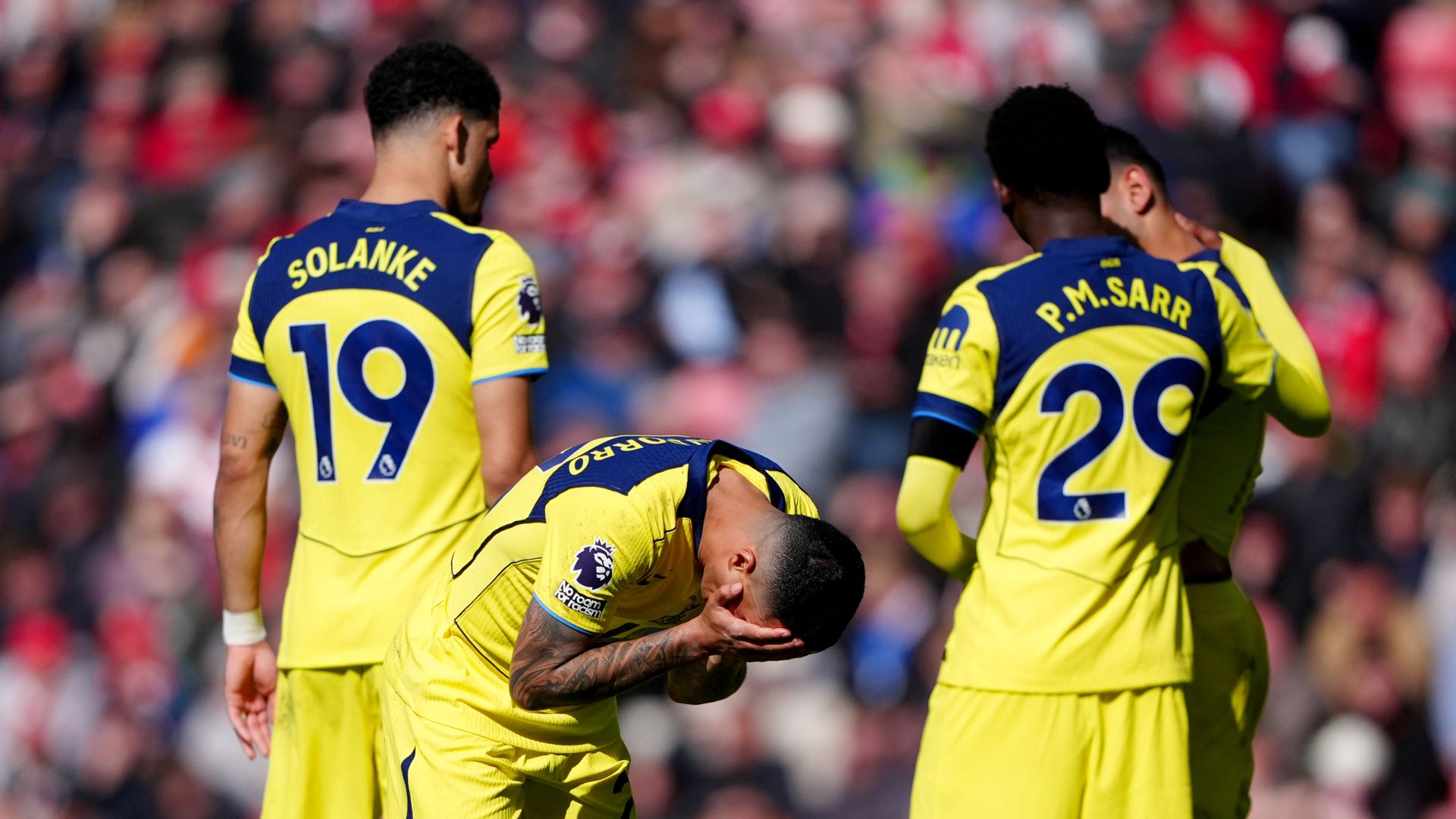
Sunderland vs Tottenham report: De Zerbi’s debut goes sour and the drop zone laughs
Sunderland vs Tottenham report headlines a grim opening chapter for Roberto De Zerbi at Spurs. The new‑boss bounce didn’t just fail to bounce — it tripped on the stairs. Tottenham lost, the relegation pressure thickened, and the Championship jokes got another night out. Spurs didn’t look like a team entering a rescue mission. They looked like a team waiting for the lifeboat to arrive.
This was a classic relegation‑zone afternoon: tight margins, tight legs, and a home crowd that smelled fear. Sunderland played like they knew exactly what the game required — energy, control in the chaos, and a moment that sticks. Spurs, meanwhile, were short on fluency and long on stress.
Match Summary
Tottenham started with intent but lacked incision, and Sunderland grew into the game with every transition. The home side pressed smartly, chased loose balls, and found space when Spurs over‑committed. The breakthrough came from a moment of pressure that forced Spurs into a defensive scramble and a finish that felt inevitable. Tottenham had spells with the ball but too few moments with real menace.
De Zerbi’s team pushed later in the match, but it was more desperation than design. Sunderland’s shape held, their back line stayed compact, and the Stadium of Light fed off every clearance. Spurs had a chance or two to rescue a point, but the urgency never turned into clarity.
Tactical Breakdown
De Zerbi’s philosophy relies on brave build‑up and calm possession. This match punished every timid pass. Sunderland waited for the first miscue, then pressed hard to force a mistake. Spurs tried to stretch the pitch, but their spacing lacked the sharpness that makes De Zerbi’s teams dangerous. The midfield was often caught between helping the build and protecting transitions, which left gaps that Sunderland exploited.
Tottenham’s full‑backs were forced into conservative choices, and that muted their attacking width. When Spurs did progress, they struggled to turn possession into high‑quality chances. It was a match that screamed for one decisive runner; instead, Spurs produced too many cautious touches.
YOU MAY ALSO LIKE
- Arsenal vs Bournemouth player ratings: a title wobble and the Cherries grin
- West Ham vs Wolves result: Spurs sink, Hammers grin
- Tottenham relegation risk: the post‑match alarm Spurs can’t silence
Turning Point
The turning point was the Sunderland goal itself — not just because it was the decisive moment, but because it forced Tottenham into a state of panic. Once they fell behind, Spurs stopped trusting the process and started chasing the clock. That’s when Sunderland’s game management took over: time‑wasting that felt intelligent, fouls that felt useful, and a calmness that Spurs never found.
Implications
Tottenham’s relegation fears deepened, and the De Zerbi era begins with a hard lesson. The fixture list will not be kind, and survival football doesn’t wait for ideas to settle. Spurs need results now, not a month from now, and that’s the problem with a mid‑season reset: it’s supposed to be a spark, not a slow burn.
For Sunderland, this was a statement that their home grit can win survival points. For Spurs, it’s another reminder that the table doesn’t care about reputation. If Tottenham want to survive, they need to make their own drama rather than living in the league’s. Right now, the drop zone is the only thing paying attention to them.