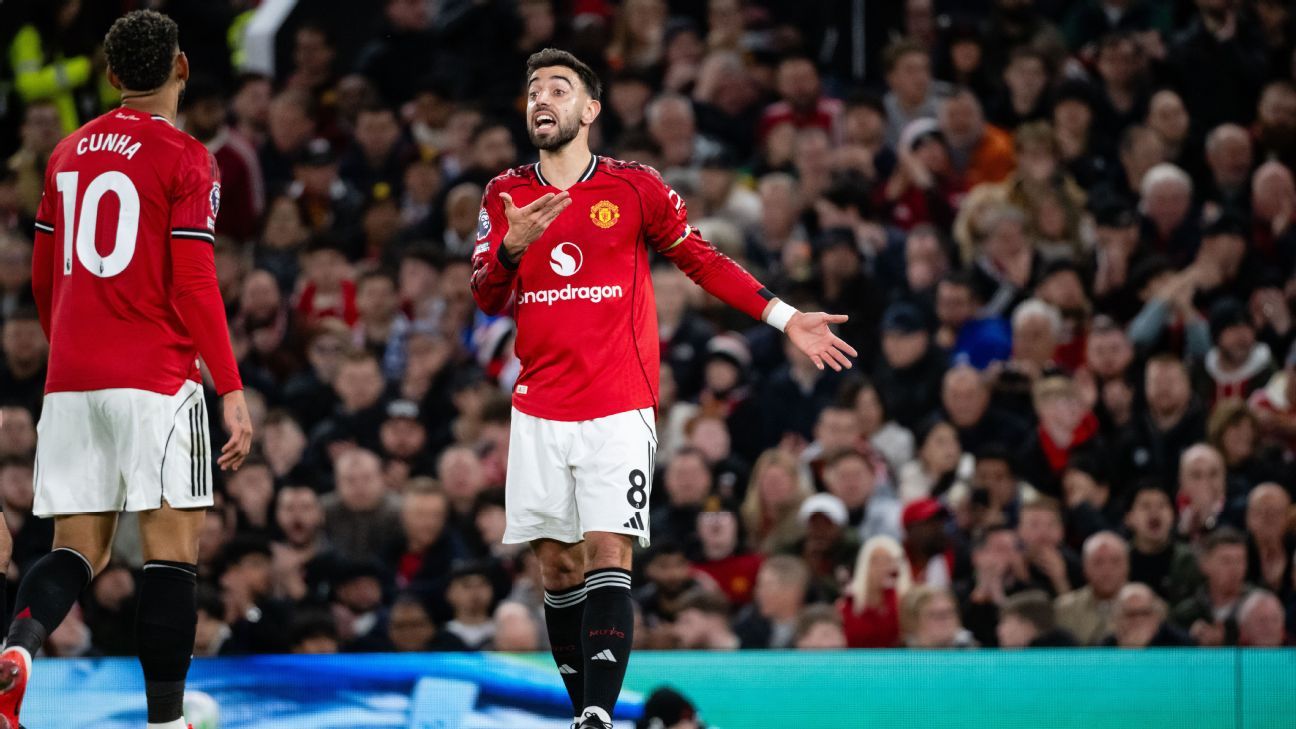
Man United vs Leeds analysis: the crunch‑time wake‑up call
Man United vs Leeds analysis starts with a simple truth: the performance told a louder story than the badge. ESPN’s breakdown leaned into the same theme — United looked like a team still searching for a route back to the top, while Leeds played like a side that knows exactly what survival demands. The result wasn’t a fluke; it was a warning sign in neon.
Leeds came with a plan and the kind of edge you only see from clubs fighting for their lives. United had moments, but moments don’t win you crunch-time games. They needed structure, control, and ruthless decisions in the final third. Instead, they offered a version of themselves that looked a step behind the urgency on the pitch.
Match Summary
This was a game decided by intensity and timing. Leeds pressed, broke, and punished. United tried to slow it down but never fully owned the rhythm. When the match opened up, Leeds looked more comfortable in the chaos and more ruthless when the chance fell. United’s midfield struggled to stop the first wave, and the defence was pulled into last‑ditch moments far too often.
The Man United vs Leeds analysis isn’t just about the score. It’s about the pattern: Leeds got into United’s half with purpose, while United’s progression was too slow and too safe. In the end, the side that took more risks and played with more directness walked away with the points.
Tactical Breakdown
Leeds’ shape forced United wide and then pounced on the second ball. That made United’s midfielders drop deeper, which left the forwards disconnected. United’s wide players were isolated, and Leeds used that to win turnovers in good areas. The home side had possession, but it was possession with no teeth.
United’s build‑up became predictable: center-backs to full-backs, full-backs back inside, and a hopeful ball that Leeds were happy to contest. Leeds, meanwhile, broke quickly through the channels and made United’s back line turn and chase. That’s the kind of pattern that tires a defence and creates late‑game mistakes.
YOU MAY ALSO LIKE
- Man United injury update: Martinez and Dorgu bring calm to the chaos
- Man United vs Liverpool: TV Spotlight, Old Rivalry, New Noise
- Newcastle 2-1 Man United: Ten Men, Full Drama, Osula Winner
Turning Point
The turning point was the spell where Leeds’ pressure forced United into rushed clearances. That ten‑minute window shifted the momentum, and United never fully regained it. In matches like this, the key moment is often not a goal but the phase that makes one inevitable. Leeds had that phase, and United didn’t.
Implications
For Leeds, this was a survival statement. It showed they can hurt big teams and do it away from home. That belief matters as the relegation fight tightens. For United, it’s a mirror. The Man United vs Leeds analysis leaves them with uncomfortable questions: how do they handle intensity, and can they control games without perfect conditions?
This performance suggests United are still in transition, not just tactically but mentally. If they want to talk about “the route back to the top,” they need more than possession stats and polite build‑up. They need to impose themselves in the ugly moments, because those are the moments that decide seasons. Leeds understood that. United didn’t. That’s the gap, and it’s still wide.