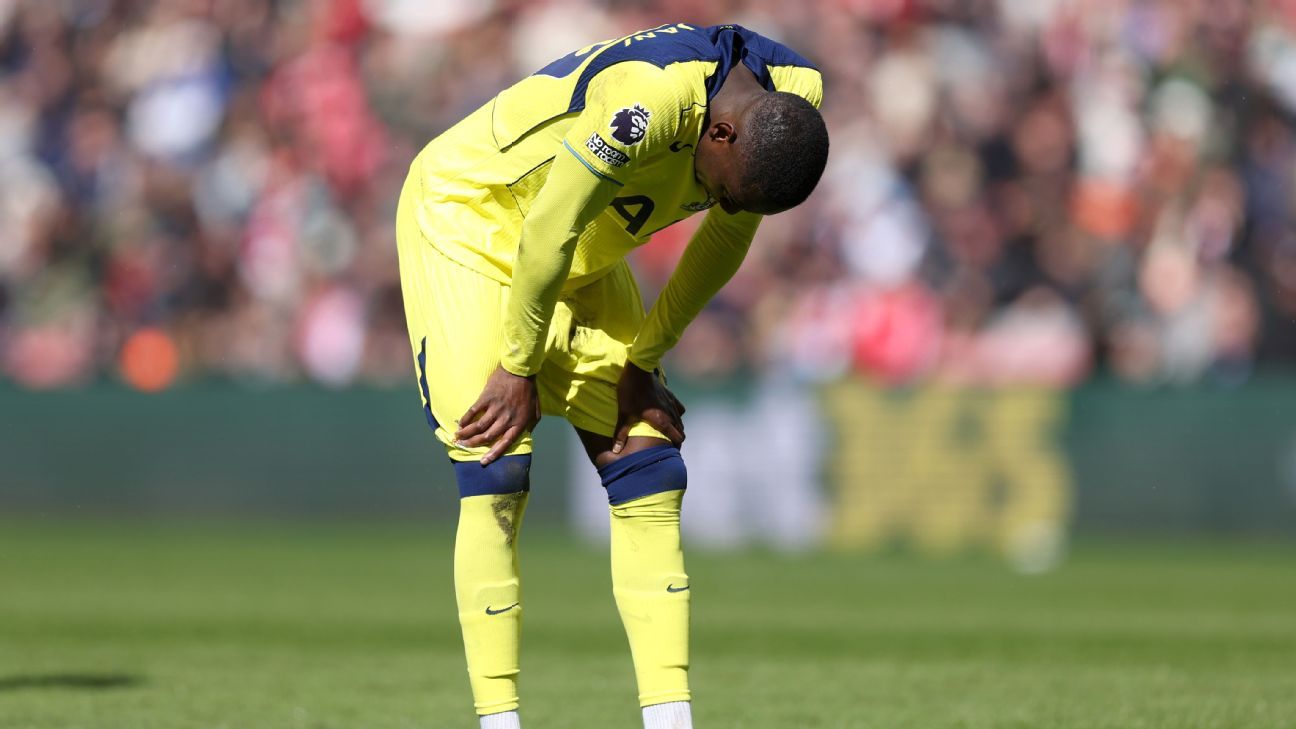
Tottenham relegation analysis: the passing problem that turned fear into fact
The Tottenham relegation analysis is no longer a doom-thread — it’s a football reality check. Spurs have fallen into the bottom three and the numbers are pointing the same way the table is: down. This Tottenham relegation analysis isn’t about one bad night, it’s about a season-long drift where control disappeared and chaos took over.
Match Summary
Tottenham’s latest defeat to Sunderland wasn’t just a loss, it was a symptom. They didn’t lose because of a freak goal or a lucky bounce; they lost because they couldn’t control the match. The passing was loose, the structure felt fragile, and the game became a survival scrap they couldn’t survive. That’s the harsh truth of the run-in: every mistake counts double, and Spurs have been donating mistakes like it’s a charity drive.
Fans have watched the same script too many times — bright openings, soft middle, desperate end. The table doesn’t care about intent, and intent without execution is just a story for the post-match interview. The Sunderland result just made the whispers loud enough to hear from every corner of the league.
Tactical Breakdown
The core of this Tottenham relegation analysis is passing. Not fancy passing, not Hollywood balls — basic, clean passing under pressure. Spurs have been turning over possession in dangerous areas, which forces their defense to face wave after wave of transition attacks. That is the most exhausting way to play football, especially for a team already low on confidence. When you can’t keep the ball, you can’t rest. When you can’t rest, you can’t structure. When you can’t structure, you concede.
Another tactical red flag: the gap between midfield and defense. Spurs are often caught in two teams — a front press with no back support, and a back line that gets isolated. That’s how opponents get easy chances and how Spurs get dragged into frantic games. You don’t win relegation battles by being frantic. You win them by being boring, disciplined, and hard to play through. Spurs have been the opposite.
YOU MAY ALSO LIKE
- Sunderland vs Tottenham report: De Zerbi’s debut goes sour and the drop zone laughs
- Tottenham relegation risk: the post-match alarm Spurs can’t silence
- Spurs going down banter: Carragher says the quiet part loud
Turning Point
The turning point wasn’t a goal. It was the moment Spurs stopped looking brave and started looking scared. Once that shift happens, you can see it in the body language: extra touches, backwards passes, defenders backing off instead of stepping up. The passing numbers and the eye test agree — the confidence bled out, and Sunderland fed off it. In relegation fights, belief is a tactical advantage. Spurs surrendered it.
Implications
This Tottenham relegation analysis points to a brutal conclusion: the run-in is now a fight for survival, not pride. Spurs need points fast, and they need them with a system that protects the defense and calms the midfield. That means less chaos, more structure. It means fewer hopeful balls and more deliberate phases. It’s not glamorous, but nothing about a relegation scrap is.
The bigger implication is cultural. A club that’s supposed to chase Europe is now staring down the Championship. That changes everything: finances, recruitment, and confidence. If Spurs don’t stabilize immediately, the risk isn’t just relegation — it’s a spiral that turns a single bad season into a multi-year reset. The fix starts with discipline and ends with grit. Right now, they need both.