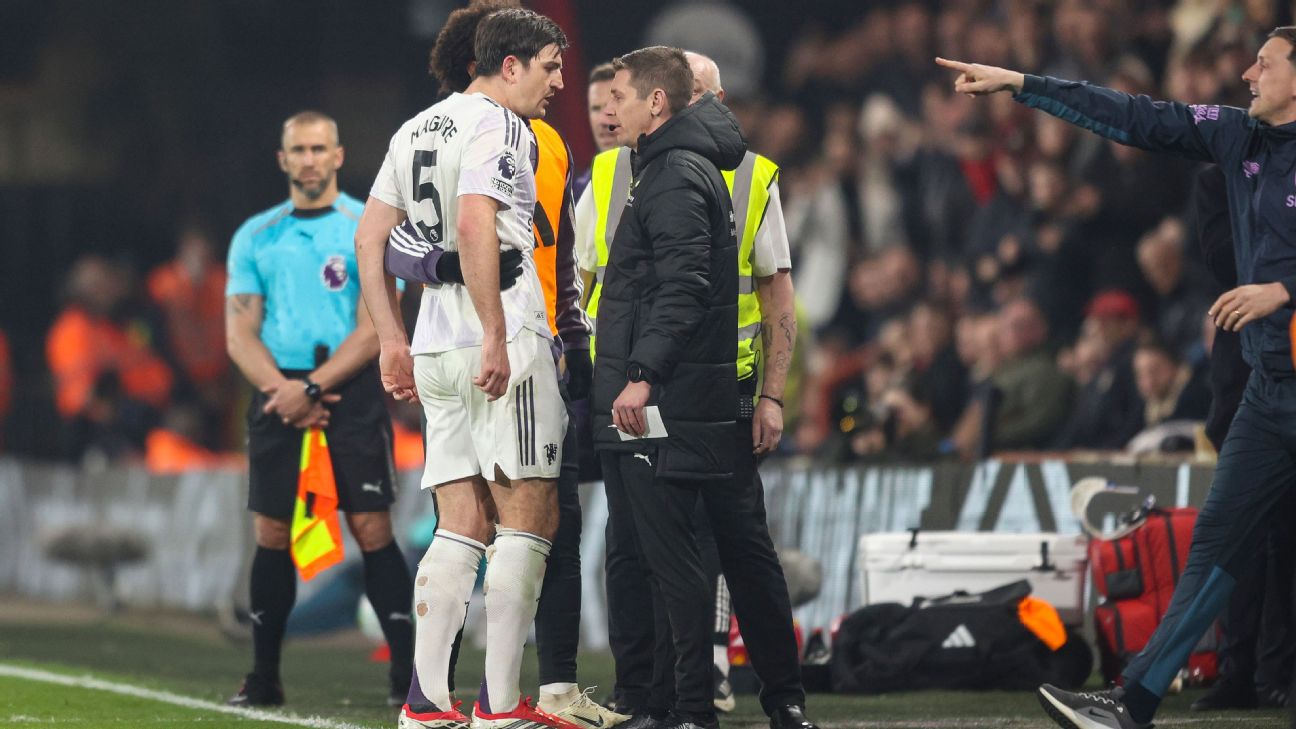
Leeds United vs Manchester United result: the red‑card ripple and the defensive hangover
The Leeds United vs Manchester United result didn’t just end as a 2‑1 defeat; it opened a week of consequences. United lost the game, then lost the plot in disciplinary terms, and now walk into the Chelsea trip without their two senior centre‑backs. This is a post‑match analysis of a match that keeps growing legs, with the red‑card aftermath turning a bad night into a structural headache.
Match Summary
Leeds hit United with pressure, intensity, and the kind of direct play that makes defensive decision‑making feel like speed‑chess. United had spells of control, but the decisive moments tilted toward the home side. The key theme: United’s defensive line never looked settled once the game demanded sprint recoveries and last‑ditch timing. When the final whistle came, it felt like a narrow scoreline masking a wider problem: discipline and defensive depth.
Fast‑forward to today and the story is louder. Harry Maguire’s FA charge was upheld, adding another ban on top of his previous red‑card suspension. Lisandro Martínez is also suspended after a straight red. That means the Leeds loss now comes with a second act: a patched‑together back line heading to Stamford Bridge.
Tactical Breakdown
Leeds United vs Manchester United result: what the numbers didn’t hide
Leeds forced transitions, and United’s structure wobbled whenever the game became a sprint. The defensive line dropped too deep, the midfield screen didn’t cover the lanes quickly enough, and Leeds were able to funnel attacks toward the channels with minimal resistance. United’s recovery runs were late, which is why the match felt tense even when possession numbers suggested stability.
United also struggled to reset after key decisions. Once the game shifted, their ability to control the tempo disappeared. The midfield didn’t slow the pace, which meant the back four were constantly defending in isolated moments. That’s how the match moved from “manageable” to “chaotic” without needing a flurry of goals.
Turning Point
The turning point wasn’t one single finish. It was the moment United stopped winning the second ball and Leeds started to believe every 50‑50 was theirs. From that phase onward, United’s defensive decisions were reactive instead of proactive. The ripple effect is still visible now: two bans, a reshuffle at the back, and a narrative that their defensive discipline costs them in big moments.
YOU MAY ALSO LIKE
- Man United vs Leeds analysis: the crunch‑time wake‑up call
- Bruno Fernandes response: United’s captain tries to calm the Leeds loss storm
Implications
This Leeds United vs Manchester United result now matters beyond the table. It shapes the Chelsea matchup because United arrive depleted at centre‑back, likely leaning on a youthful pairing. That invites Chelsea’s wide threats to isolate, stretch, and test communication. It also puts extra pressure on United’s midfield to screen the back line far more effectively than they did at Elland Road.
For Chelsea, it’s an obvious invitation: press early, target transitions, and force United’s patched defence to play under stress. For United, it’s a crisis of discipline and planning. Losing a match is one thing. Losing your two senior centre‑backs for the next big one is the kind of sequel that turns a single defeat into a run‑in problem.
So yes, the scoreline was 2‑1. But the real story is the lingering hangover. The Leeds result created a defensive tax, and Chelsea are now holding the invoice.