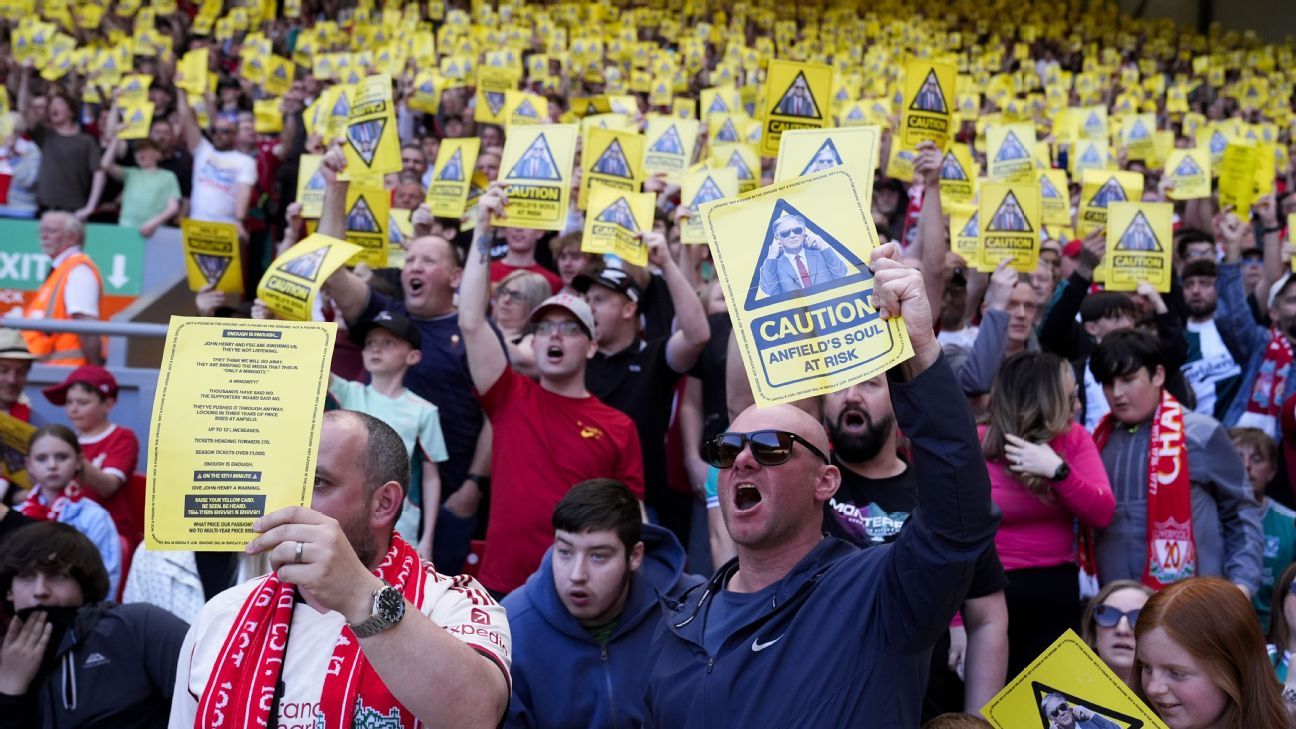
Liverpool ticket prices freeze: the protest that made FSG blink
Liverpool ticket prices are frozen again and, yes, it only took a loud chorus of fans telling the owners to pipe down. After the backlash to planned increases, the club has stepped back and the headline is a rare win for supporters. This is an EPL news story with real-world impact: matchgoing fans pushed back, and the boardroom listened. Miracles do happen.
Let’s be honest, the price conversation never really ends. It just pauses between the club’s spreadsheet and the stands’ collective sigh. The Liverpool ticket prices debate has been simmering for years, and the latest tweak was the kind of “small increase” that never feels small when your matchday budget is already on life support.
Overview
From a fan base that never whispers to an ownership group that apparently checks the decibel levels, the pause on hikes is the kind of adult decision that should never have needed a protest in the first place. But here we are. The Liverpool ticket prices debate has been boiling for a while, and the latest plan to raise costs lit the fuse. The response was immediate, public, and spicy. The outcome? A retreat, at least for now.
Liverpool ticket prices: why the backlash exploded
Premier League football already sits at the premium end of the market. Every little price increase doesn’t land on a spreadsheet; it lands on families and season-ticket holders who built the atmosphere you sell on posters. If you want to keep bragging about the Anfield roar, maybe don’t price out the people who create it.
There’s also the optics. Raising prices while revenues soar is a hard sell, especially to a fanbase that already feels the squeeze. The club can call it “balancing costs,” but supporters hear “pay more for the same seat.” That’s where the temperature rises and the banners appear.
Key Details
- Planned increases were shelved after fan protests and public pressure.
- The decision keeps current costs steady, which is a win for matchgoing fans.
- It follows wider criticism of ownership priorities and money-first optics.
- Expectation now shifts to how the club handles future pricing transparency.
There’s also a wider ripple effect. Other clubs are watching. If Liverpool can hit pause after backlash, everyone else knows the temperature in the room. That matters across the league, because this isn’t just about one stadium — it’s a Premier League trend.
Supporter groups will also want proof that this isn’t a short-term PR reset. What happens next season? Will there be structured consultation, or is this just a tactical retreat? Fans are asking for a seat at the table, not a polite “we heard you” before the next hike.
YOU MAY ALSO LIKE
- Chelsea vs Nottingham Forest analysis: the wobble that got louder at the Bridge
- Chelsea team news vs Liverpool: McFarlane's injury board gets louder
- Liverpool vs Chelsea preview: Anfield at lunch and the pressure meter screaming
Reactions
Supporters groups are claiming a win, and honestly they should. The message was simple: the matchday crowd is not a bottomless ATM. Fans want reasonable pricing, a say in big decisions, and a club that remembers who turns up every week. You can almost hear the collective “told you so” across Merseyside.
Rival fans? Mixed. Some are applauding the pushback, others are enjoying the optics of another ownership scramble. Either way, it’s a Premier League talking point that isn’t going away.
The wider fanbase reaction is also a reminder of what football cultures still value: accessibility, tradition, and the right to be heard. You can’t market passion and then invoice it to death.
What This Means
Short-term: the Liverpool ticket prices freeze keeps the peace. Long-term: it’s a reminder that clubs can’t keep turning supporters into data points and expect zero pushback. Expect more scrutiny over pricing policy, concessions, and value-for-money messaging across the league.
Also, if you’re an owner thinking of sneaking through another “modest” increase, consider the lesson: fans talk, fans organise, and fans will absolutely make your PR week a nightmare. That’s not a threat — it’s just the Premier League’s most reliable tradition.
The bottom line? This freeze is a win, but it’s also a warning. Modern clubs want modern revenue. Fans want modern respect. If you want both, stop testing the limits of loyalty and start treating supporters like stakeholders, not silent customers.