Chelsea owners criticism: Gary O'Neil just aired the laundry
The Situation
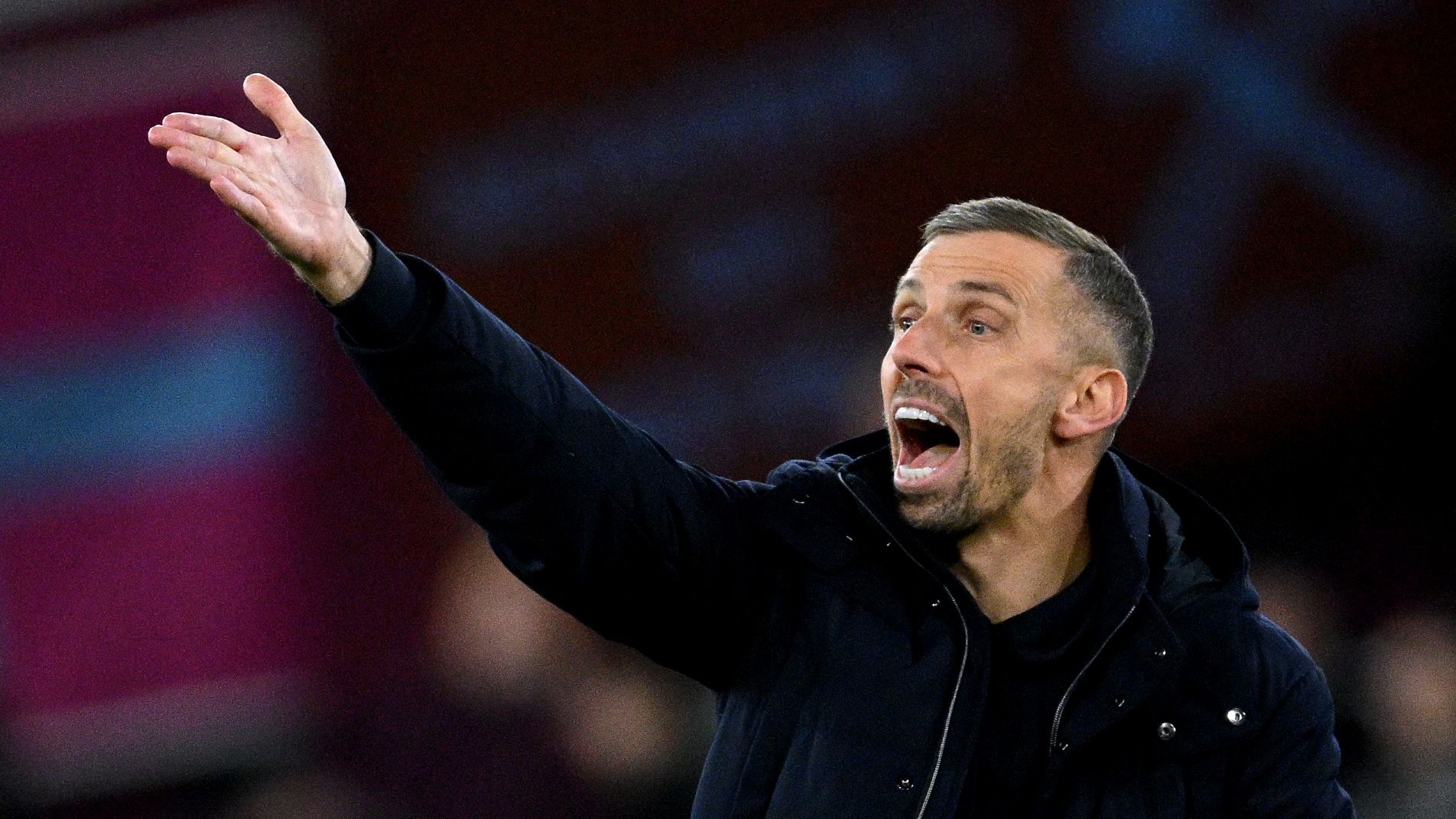
Chelsea owners criticism is back on the menu, and this time the chef is Strasbourg boss Gary O’Neil. Goal.com report that he’s called out BlueCo for transfers and culture, which is a polite way of saying he’s tired of the long‑distance relationship where the suitcase keeps losing its wheels. It’s not a subtle complaint. It’s a full‑volume “this isn’t working for me” signal, and the football internet did what it always does: grabbed popcorn and hit refresh.
From a Chelsea lens, the timing is interesting. The club have been trying to build a coherent pathway for players across the ownership group. That’s the theory. The practice? The complaints suggest it’s still a work in progress, and when the guy on the ground is publicly frustrated, it becomes a story in itself. You don’t need to be a tactical nerd to see the subtext: plan and execution aren’t always holding hands.
The Talking Point
Here’s the actual argument beneath the noise: multi‑club models can be smart, but they can also feel like a conveyor belt if communication fails. O’Neil’s comments turn that fear into a headline. Chelsea fans don’t love hearing that the wider project is “messed up,” but it’s not automatically a disaster either. The club has invested in young talent, centralized recruitment, and a pathway that’s meant to be clear. The question is whether that pathway feels as clean from Strasbourg as it does from Stamford Bridge.
There’s also the real football bit. Chelsea are trying to build a coherent identity, and every external flare‑up chips at the narrative. That’s why this story has legs. It’s not just drama for drama’s sake. It’s a window into how the BlueCo ecosystem is actually functioning, and whether the people inside it feel aligned. For a club that sells “project,” alignment is not optional.
YOU MAY ALSO LIKE
- Rosenior Chelsea sacked: the post-mortem nobody asked for
- Chelsea massive week: Rosenior says focus, fans say show us
- Cole Palmer Chelsea banter: the saviour label and the weekly whiplash
The Overreaction
Of course, social media treated this like the final episode of a soap. “BlueCo collapse.” “Chelsea are finished.” “Sell the club.” Standard Tuesday. The reality is less dramatic and more bureaucratic: multi‑club ownership takes time, and sometimes the messaging is messy. But yes, it’s a bad look when your satellite manager is publicly frustrated. It hands rivals the microphone and puts more heat on the project, which is already under a microscope.
The banter fuel is obvious: Chelsea own a club, the club is unhappy, and now the group chat has new material. But here’s the difference between memes and reality: if Chelsea fix the communication and show real consistency in how players move and develop, the noise fades. If they don’t, it turns into a repeating headline that chips away at trust.
Final Word
Chelsea owners criticism will always attract attention because the club is a lightning rod. O’Neil’s comments aren’t a death sentence; they’re a nudge. A reminder that the project can’t just look clever on a whiteboard — it has to feel coherent in the real world. Chelsea fans want trophies and a plan. That plan now needs better diplomacy.
Until then, this is classic modern football: big ambition, big infrastructure, and big emotions when the gears grind. The smart move is obvious: fix the relationship, align the pathway, and let the football do the talking. The banter will quiet down when the results start shouting again.